BESS Safety: Four Protection Layers
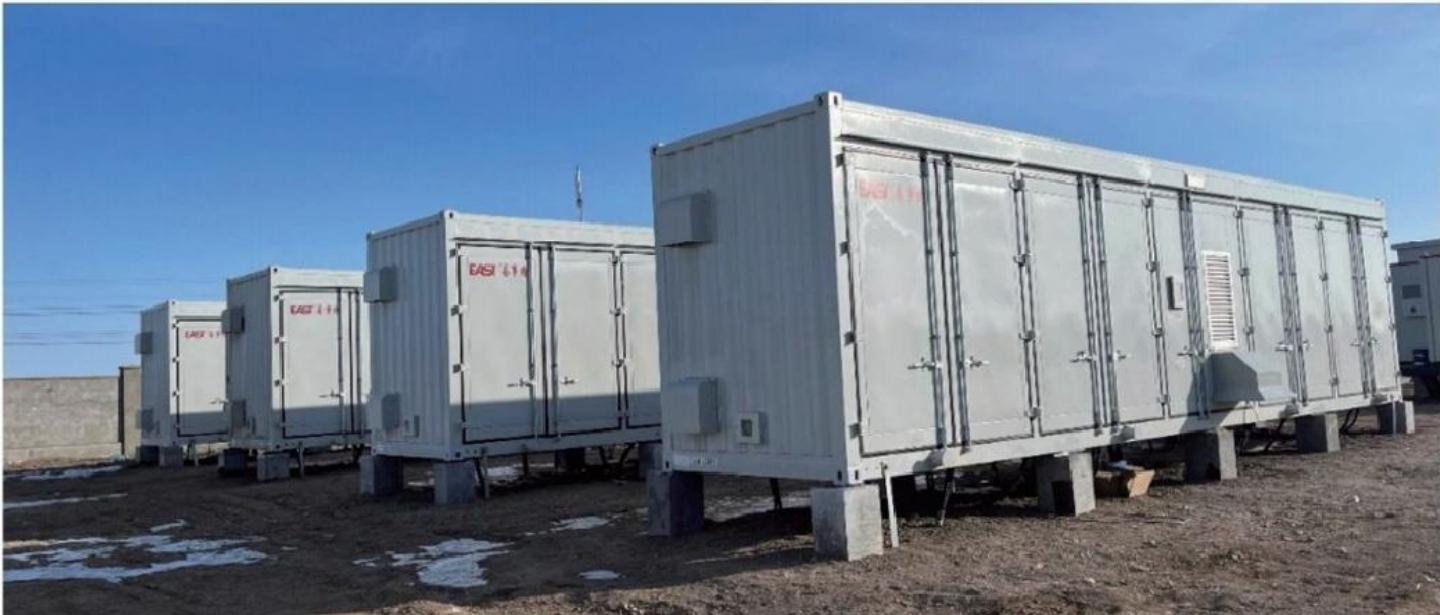
Storage safety is a system engineering challenge. The industry standard is a four-layer protection architecture, where each layer works independently yet cooperates with the others.
Layer 1: Cell-Level Safety
Thermally stable cells are the foundation. LiFePO4 has a much higher thermal runaway temperature than NMC, and ceramic separators and flame-retardant electrolytes reduce risk at the source.
Layer 2: Module and Pack Protection
- BMS monitoring voltage, temperature and current in real time
- Over-charge/over-discharge/over-current/short-circuit protection
- Thermal isolation between modules to stop heat spread
Layer 3: System-Level Safety
- Liquid/air cooling maintains optimal operating temperature
- Insulation monitoring and grounding protection
- IP66 enclosures against dust and water
Layer 4: Fire Protection and Emergency Response
Novec-based extinguishing media, smoke and temperature detection, gas alarms and automatic suppression, plus remote monitoring platforms for early warning.
Economic Analysis of BESS Safety Investments
Investing in a robust safety design for Battery Energy Storage Systems (BESS) not only ensures operational reliability but also contributes to the overall economic viability of the project. According to a study by the National Renewable Energy Laboratory, every dollar spent on enhancing BESS safety can save up to $5 in potential damage and downtime costs. This ratio highlights the importance of upfront investment in comprehensive safety measures.
- Reduction in insurance premiums due to lower risk profiles
- Decreased maintenance costs through prevention of minor incidents from escalating
- Enhanced system lifespan, leading to better return on investment
Common Challenges and Solutions in BESS Safety Design
Designing a safe BESS involves overcoming several common challenges. One major issue is ensuring consistent thermal management across all cells, especially under varying environmental conditions. Another challenge is integrating diverse safety features without compromising the efficiency or scalability of the system.
- Implementing advanced thermal modeling during the design phase to predict and mitigate hotspots
- Adopting modular designs that allow for easy integration and upgrade of safety components as technology evolves