C&I Energy Storage: Peak Shaving & Demand Charges
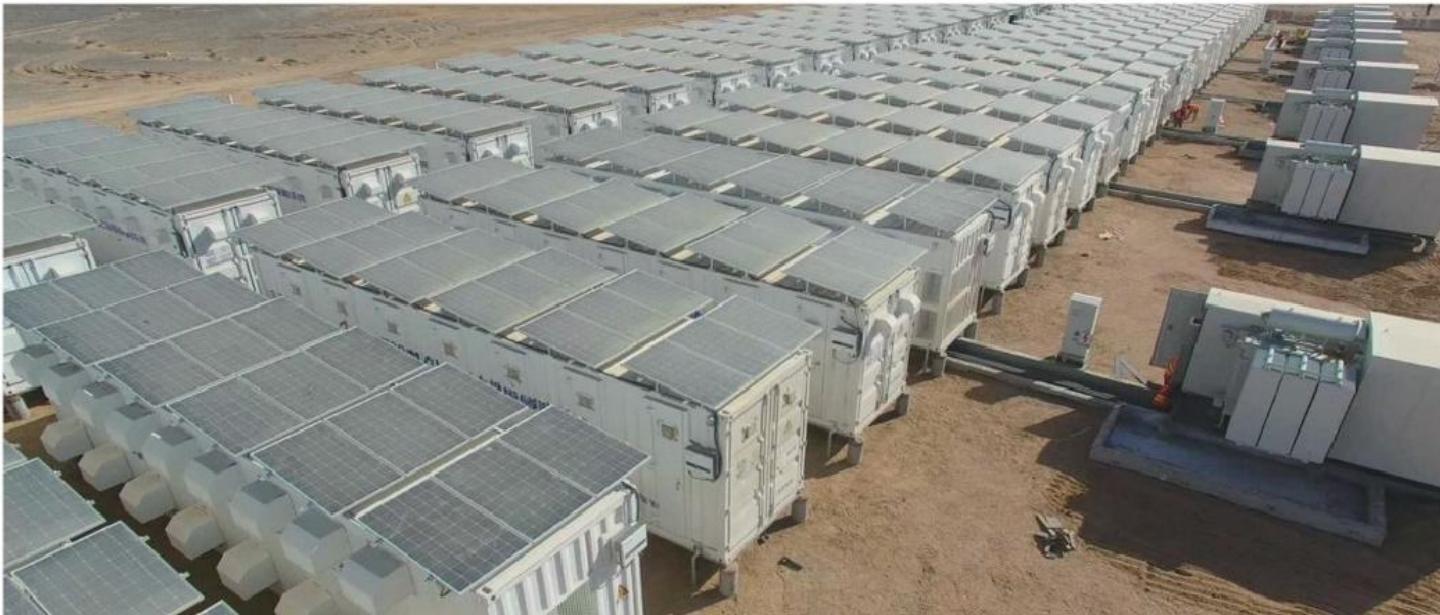
C&I energy storage offers some of the best economics in the storage market today. Through peak-valley arbitrage and demand management, most systems achieve payback in 3-5 years.
1. Three Revenue Models
- Peak-valley arbitrage: charge off-peak, discharge on-peak
- Demand management: shave peaks to reduce maximum demand charges
- Backup power: keep critical loads running during outages
2. System Components
A complete C&I system consists of battery racks, PCS, BMS, EMS and fire protection. PowerKeep's 1000V C&I system uses an integrated cabinet design with compact footprint and fast installation.
3. Selection Checklist
- Calculate payback based on local peak-valley spread (above 0.7 RMB/kWh is attractive)
- Verify site load capacity, fire compliance and grid conditions
- Choose air-cooled or liquid-cooled based on local climate
- Check PCS efficiency and response speed
Industry Trends and Data
The commercial and industrial (C&I) energy storage market is experiencing significant growth, driven by the increasing adoption of renewable energy sources and the need for grid stability. According to a report by Wood Mackenzie, the global C&I energy storage capacity is expected to reach 15 GW by 2025, up from 3.5 GW in 2020. This growth is fueled by declining battery costs, supportive government policies, and the rising demand for resilient and sustainable energy solutions.
- Increasing integration with renewable energy sources
- Growing emphasis on grid resilience and flexibility
- Declining battery costs enhancing economic viability
Economic Analysis: Cost-Benefit Considerations
When evaluating the economic feasibility of C&I energy storage systems, it's crucial to consider both the initial investment and the long-term savings. The payback period can vary significantly based on factors such as local electricity rates, system size, and operational efficiency. For instance, a study by Navigant Research found that in regions with high peak-to-off-peak rate differentials, the payback period can be as short as 3-5 years. Additionally, incentives and subsidies can further reduce the initial capital expenditure, making the investment more attractive.
- High peak-to-off-peak rate differentials shorten payback periods
- Incentives and subsidies reduce initial capital expenditure
- Operational efficiency and system size impact long-term savings