1500V Storage Architecture: From 1000V to 1500V
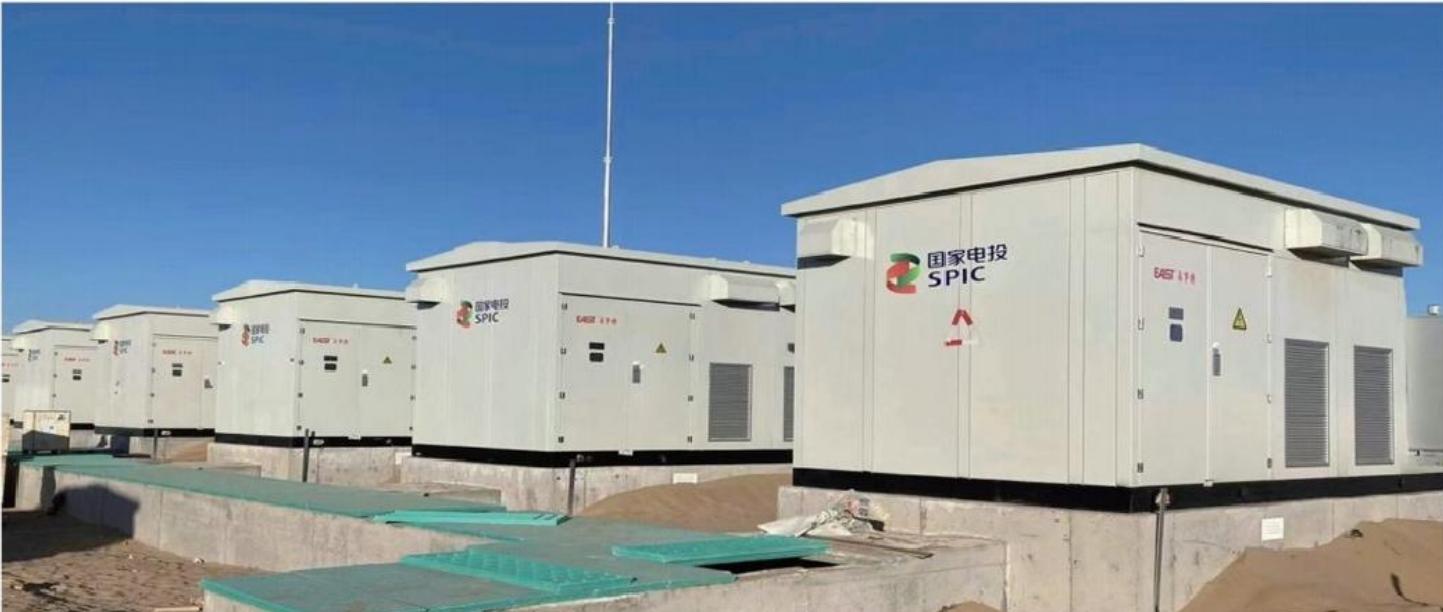
The shift from 1000V to 1500V is a core trend in utility-scale storage. Higher voltage means half the current for the same power, reducing cable and equipment costs while improving efficiency.
1. What 1500V Delivers
- 10-15% lower levelized cost of storage
- 30%+ more capacity per container
- Smaller DC cables and lower losses
- Cluster-level management with string PCS
2. String vs Centralized
String PCS provides per-cluster charge/discharge control and SOC balancing, avoiding the wood barrel effect. Centralized PCS offers higher single-unit power and lower cost for uniform large-scale plants.
3. Air Cooling vs Liquid Cooling
Liquid cooling keeps temperature differences below 3°C, reducing them by 50% versus air cooling, significantly extending battery life and usable capacity in hot climates.
Economic Analysis of 1500V Systems
Transitioning to a 1500V architecture from the traditional 1000V system can significantly impact the overall economics of energy storage projects. By increasing the voltage, it is possible to reduce the number of components required for a given capacity, such as inverters and cables, leading to lower capital expenditure (CapEx). Additionally, higher efficiency in power conversion reduces operational costs (OpEx) over the system's lifetime, contributing to a more favorable levelized cost of energy (LCOE).
- Reduction in CapEx due to fewer components
- Lower OpEx through improved efficiency
- Overall decrease in LCOE
Practical Considerations for System Selection
When deciding between 1500V and 1000V systems, several practical aspects must be considered. These include compatibility with existing grid infrastructure, local regulations, and safety standards. Moreover, the availability of skilled labor for installation and maintenance plays a crucial role. Organizations should also evaluate their long-term growth plans, as 1500V systems offer greater scalability, which may be advantageous for future expansion.
- Grid infrastructure compatibility
- Regulatory and safety compliance
- Availability of skilled labor for installation and maintenance