PV Plus Storage: Three Utility-Scale Projects
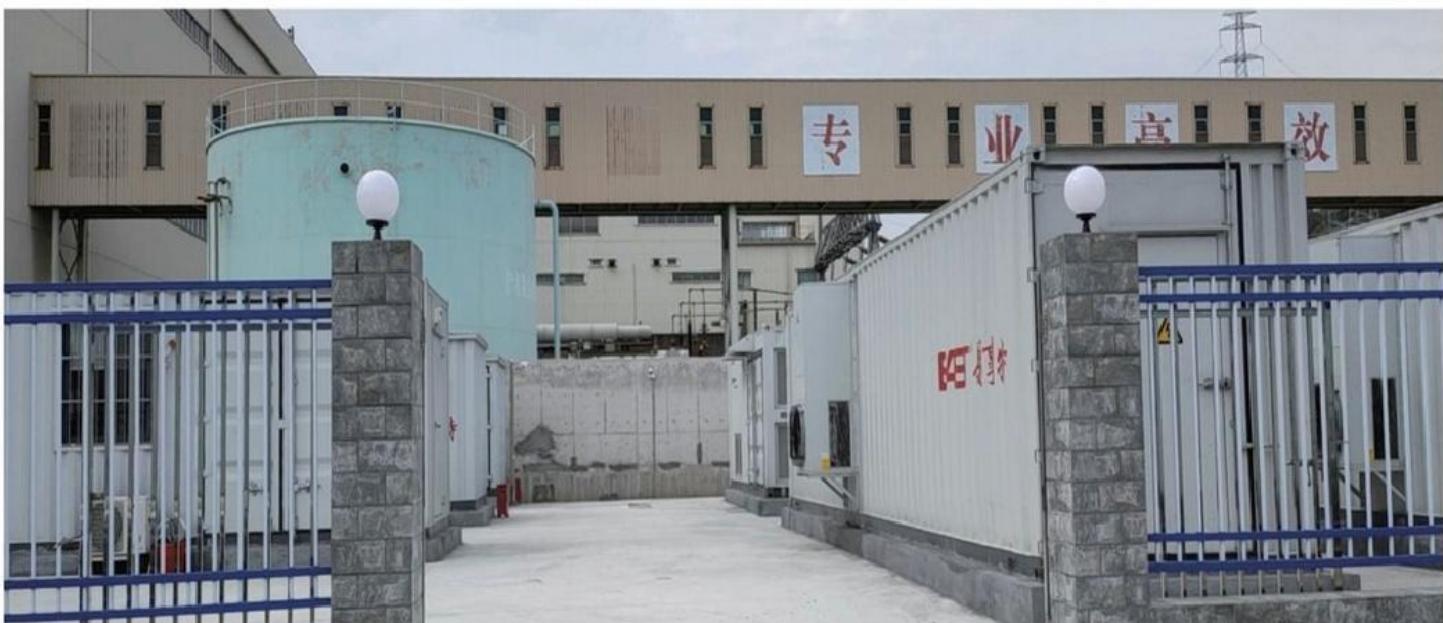
As renewable penetration rises, storage has become standard for PV and wind projects. Here we break down three real projects.
Case 1: 200MW PV Plant Storage Addition in Ningxia
A 1500V string-type system supports new energy addition and shared storage models, with cluster-level battery management improving overall peak-shaving capability.
Case 2: Wind Farm Storage in Gansu
Storage smooths output fluctuations and improves grid friendliness. A 1500V centralized system operates in coordination with the wind farm substation.
Case 3: 100MW PV Storage in Inner Mongolia
Outdoor cabinet string-type systems with modular deployment, adapted to sandy terrain, serving both frequency regulation and peak shaving.
Key Takeaways
- String systems suit variable conditions; centralized suits uniform high-power sites
- 1500V shows clear cost advantages at scale
- Liquid cooling significantly improves battery life in hot regions
Industry Data and Trends
The integration of photovoltaic (PV) systems with energy storage is becoming increasingly prevalent, driven by the need for grid stability and the intermittent nature of solar power. According to a report by Wood Mackenzie, the global market for PV plus storage is expected to grow from 2.8 GW in 2021 to over 15 GW by 2025, representing a compound annual growth rate (CAGR) of around 49%. This growth is underpinned by declining battery costs and supportive government policies aimed at promoting renewable energy adoption.
- Declining lithium-ion battery prices have made energy storage more economically viable.
- Increasing demand for grid flexibility and reliability is driving utilities to adopt more storage solutions.
- Government incentives and regulations are playing a critical role in accelerating the deployment of PV plus storage projects.
Selection and Implementation Details
Choosing the right storage solution for a utility-scale PV project involves considering several key factors, including the specific application, system size, and local environmental conditions. For instance, in regions with high temperature variations, such as Ningxia and Inner Mongolia, thermal management systems are crucial to ensure optimal battery performance and longevity. Additionally, the selection of the appropriate battery chemistry, whether it be lithium-ion, flow batteries, or other emerging technologies, should align with the project's operational requirements and cost constraints.
- Evaluate the specific needs of the project, such as peak shaving, frequency regulation, or time-shifting.
- Consider the lifecycle costs, including initial investment, maintenance, and replacement, when selecting the technology.
- Ensure that the chosen solution complies with local regulations and standards for safety and performance.